Two countries on one scorecard
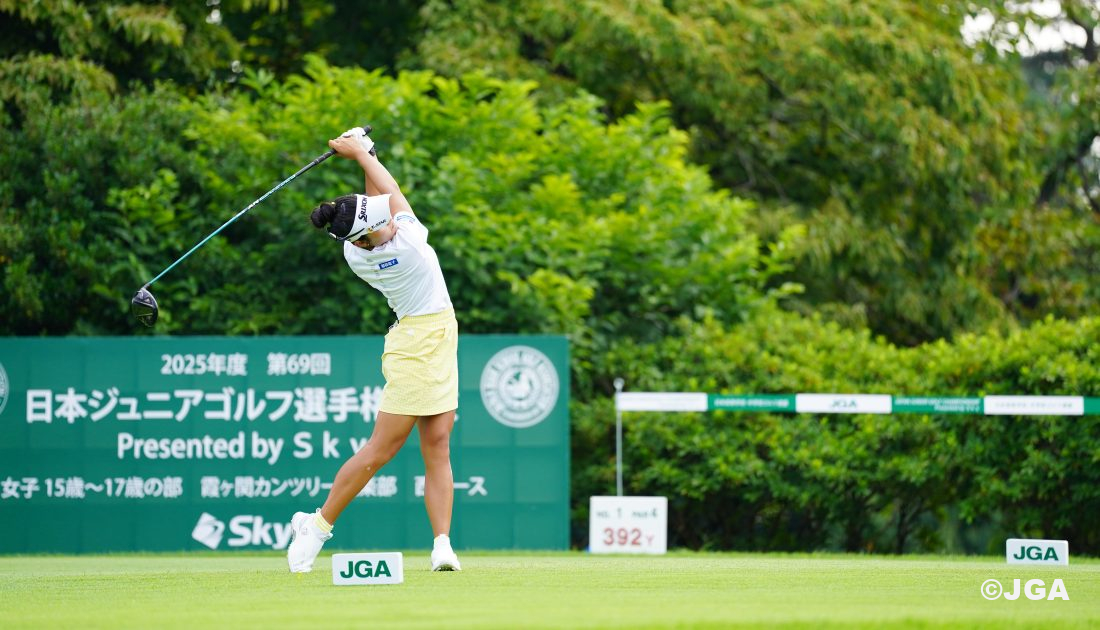
In June 2025, young golfers from fourteen countries gathered in Toyota City, Aichi. For four days they competed under their national flags, yet their names appeared together on the same scoreboards, in the same pairings and under the same set of rules.
Japan won the boys’ team title. Thailand won the girls’ team title. The boys’ individual title was shared by two players from Japan and Colombia. It was a small but memorable scene: competition on the surface, and something quieter taking shape underneath.
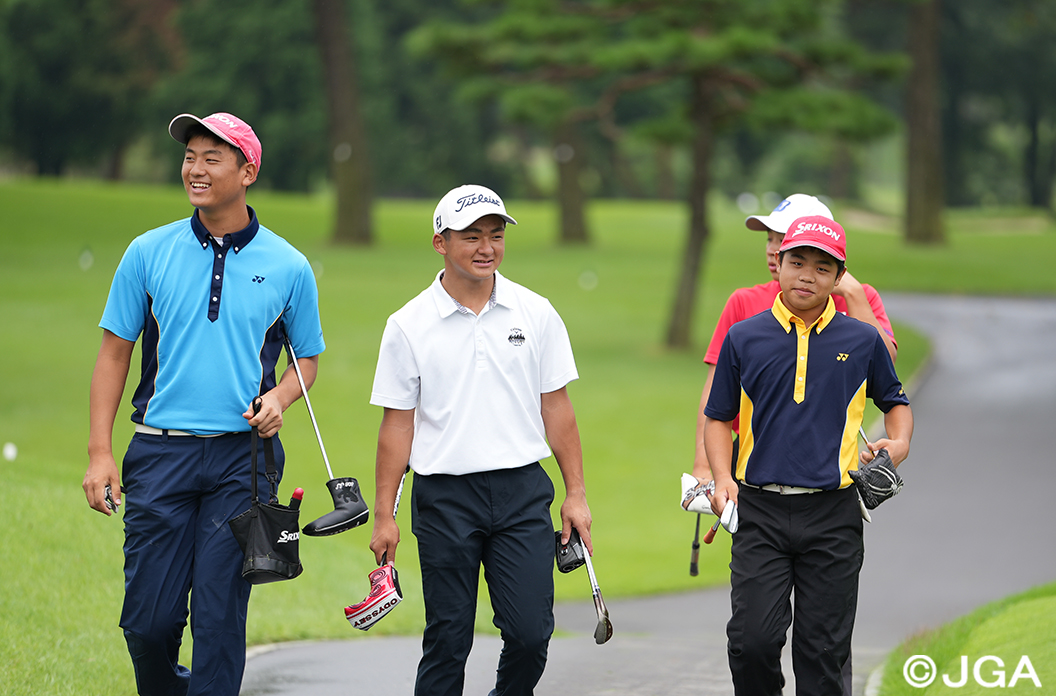
Junior golf deserves to be discussed beyond results. It gives young players an early, concrete experience of the world. International exchange is not an abstract phrase when it happens on a tee box, in a rules discussion, during a practice round, or in the discipline of shaking hands after both success and disappointment.
This is why APGA places junior exchange at the centre of its work. We care about better golf, but we also care about the kind of maturity that golf can teach: judgement, respect, independence and the ability to meet people from different cultures with calm confidence.
Why Japan is different
For families across Asia-Pacific, Japan offers a rare balance. It is close enough to visit more than once, yet rich enough to feel genuinely international. It has a mature golf infrastructure, but it is not simply a training destination. It is a place where rules, etiquette, service, safety and course culture are all part of the learning environment.
From many cities in Asia, Japan is only a few hours away. That matters. A child’s development cannot be built around one distant, once-in-a-lifetime trip. Japan can become a place for repeated visits, seasonal programmes and long-term relationships with courses, coaches and local partners.
Japan’s golf environment also has density. Practice ranges, short-game areas, public access facilities, private clubs, junior events and regional associations form an ecosystem that allows a young player to move naturally from practice to course play, and from course play to a deeper understanding of rules, pace, preparation and responsibility.
The Japan Golf Range Association has long promoted accessible and family-friendly ways for children and beginners to experience the game. The Japan Golf Association also supports junior education through rules, etiquette and certification initiatives. These systems are not glamorous, but they matter. They make golf learnable.
A young player in Japan does not only learn how to swing. They learn how to arrive on time, manage a round, care for a playing group, respect the course, recover after a mistake and review what happened afterwards. These details slowly become part of how a child understands the game.
The course as a classroom
Japan’s golf courses are unusually varied. Kanto offers championship venues and long-standing club traditions. Kansai carries the memory of Japan’s earliest golf culture. Kyushu brings together coastlines, hills, hot springs and hospitality. Hokuriku adds mountains, sea wind and the atmosphere of regional inns.
For a junior golfer, this variety matters. Different turf conditions, green speeds, bunker styles, elevation changes, wind directions and club customs all become part of the lesson. The child is not merely training in another location. They are learning how to read a course and behave within a golf culture.
True junior development should not be reduced to repetition on the range. Young players need to understand why a shot should be played in a certain way, what a course is asking of them, and how golf becomes a discipline of judgement rather than only a matter of technique.
Japan is well suited to offer that experience. It brings together technical training, course strategy, etiquette, service traditions and regional culture in one journey. A round of golf becomes more than a programme item. It becomes a complete learning experience.
Encounters that last longer than tournaments
Japan has already become an important meeting point for junior golfers in Asia-Pacific.
The Toyota Junior Golf World Cup brings players from different countries into the same competitive environment. The results are important, but the deeper value lies in what the players observe: how others prepare, how they read putts, how they respond to mistakes, how they communicate with officials and how they carry themselves under pressure.
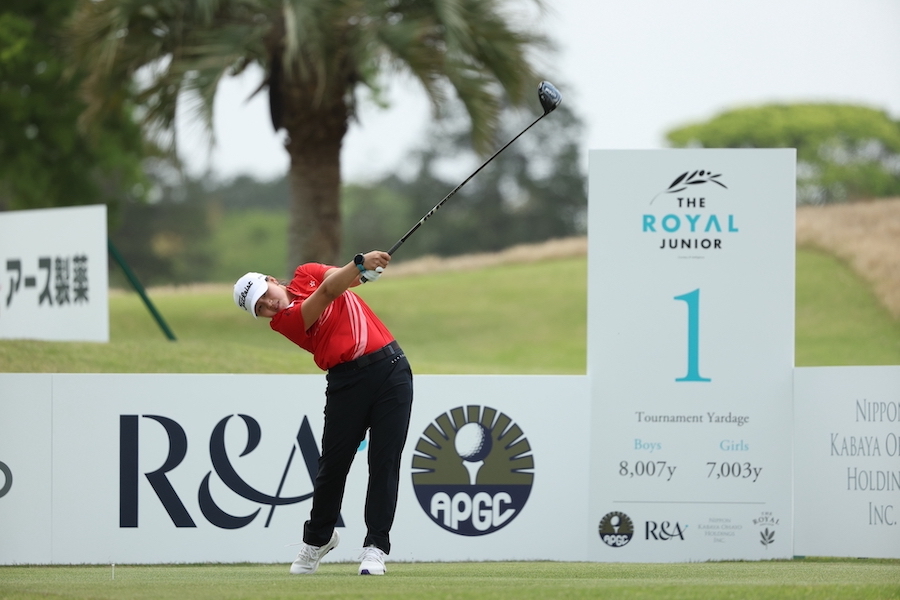
Events such as THE ROYAL JUNIOR offer another layer of experience. Young golfers enter a Japanese tournament environment where preparation, rules, course conditions and etiquette are treated with seriousness. For many families, this is more meaningful than a simple golf trip because it allows a young player to understand how golf is organised and respected in Japan.
At the same time, Japanese juniors continue to travel abroad. Through exchanges with Southeast Asia, Europe, North America and other regions, Japanese players are also learning to compete, compare and understand difference. This two-way movement is the foundation APGA hopes to develop.
The aim is not a single event. The aim is a continuing network of visits, camps, tournaments, family exchanges and institutional partnerships. When exchange continues, relationships formed on the course become genuine resources for growth.
What a young player takes home
A good international golf experience rarely leaves only one memory of one shot. It gives a young player a new reference point.
They see that players from other countries also feel pressure, make mistakes and must find a way to play the next shot. They begin to understand that they are neither the centre of the world nor outside it. They are part of a wider field.
They also learn communication beyond language. Golf is uniquely suited to cross-cultural exchange because its rules, gestures and etiquette are shared. Even when words are limited, a young player can communicate through pace, eye contact, apology, thanks, courtesy and composure.
What remains may be a playing partner, a coach’s comment, a particular wind on a particular hole, or a conversation at dinner. These memories do not always become immediate scores, but they may shape how a child thinks about practice, competition, culture and the world.
How families can approach the journey
For families in Asia-Pacific, a golf journey to Japan does not need to carry too much pressure at the beginning. It may be a three-to-seven-day development camp. It may be a bespoke exchange programme for a school, club or academy. What matters is not how full the itinerary is, but whether the programme has a clear learning purpose and fits the player’s age, experience and level.
For beginners, the priority should be interest, basic rules and course etiquette. For players already training regularly, the programme can include technical assessment, on-course coaching, short-game work, course management and review. For juniors preparing for international competition, Japan can also provide valuable exposure to different grasses, pace of play, tournament routines and course conditions.
Families should help children prepare before departure. Dress code, tee time, check-in, safety, group etiquette, simple English communication and post-round review are all part of the experience. Parents do not need to do everything for the child. Their role is to support independence, so the young player can gradually face the course, the coach, the group and the rules on their own.
Golf growth does not happen only at impact. It also happens when a child packs a golf bag, arrives at the tee on time, greets a playing partner and continues the round after a poor shot.
Seeing the world at fifteen
Many young players first understand the word “international” not in an airport and not in a classroom, but after playing a round with someone from another country. They realise that other children are working just as hard. They realise that different languages can still share one set of rules. They realise that golf is not only a relationship between player and ball, but also a way of relating to people, place and the wider world.
Japan deserves to become an important entry point for junior golf exchange in Asia-Pacific. It has mature courses, serious etiquette, reliable service and rich regional culture. Most importantly, it allows young players to encounter the world in a safe but real environment.
APGA hopes to make these experiences more systematic. By connecting Japanese courses, professionals, coaches, schools, families and Asia-Pacific participants, we want more young golfers to come to Japan through the game, and more of Japan’s golf culture to be understood through them.
One round will not decide a child’s future. But one genuine international exchange may change how that child imagines the future.